

Understanding learning differences
Mindora currently supports early screening for four common learning differences. These are not diagnoses. They are learning patterns that help adults understand how a child learns best.
A child may show traits of more than one pattern.
Difficulty with reading, letter–sound mapping, and decoding
Dyslexia
Children with dyslexia often understand ideas well but struggle to connect letters and sounds.

Common signs
- Letter reversals or confusion
- Guessing words
- Avoiding reading tasks
What our games observe
- Sound–letter matching
- Recognition speed
- Reading persistence
Strengths often seen
- Imagination
- Visual thinking
- Story comprehension
Reading involves more than letters
Sound mapping
Reading pace
patterns
Consistency
Comfort Level
Difficulty with numbers, quantity, and basic math concepts
Dyscalculia
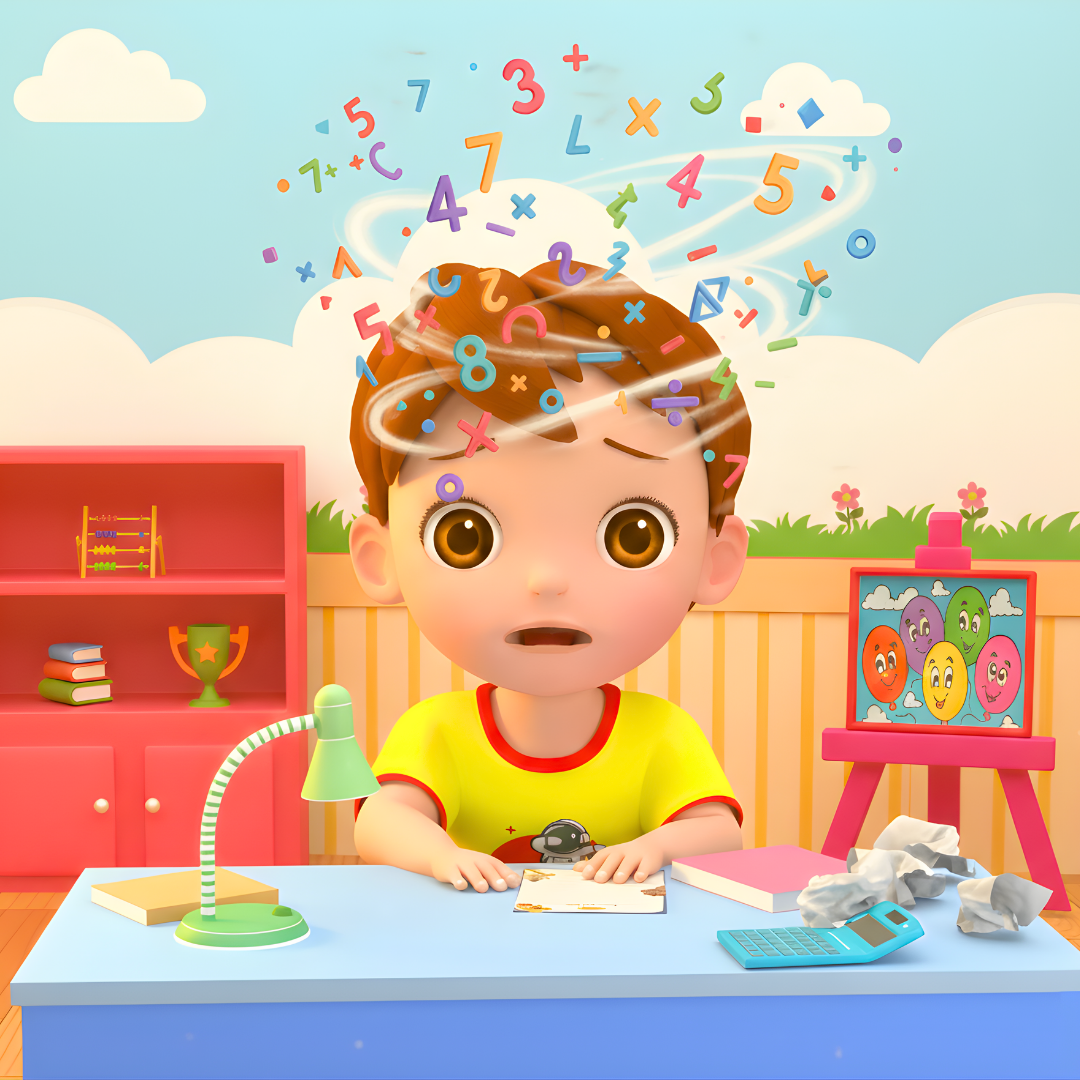
Common signs
- Difficulty counting
- Confusion with quantity
- Trouble with simple maths
What our games observe
- Quantity understanding
- Visual grouping
- Accuracy over time
How number sense shows up in play
Quantity
Visual grouping
Processing
Accuracy
Difficulty with writing and fine motor control
Dysgraphia
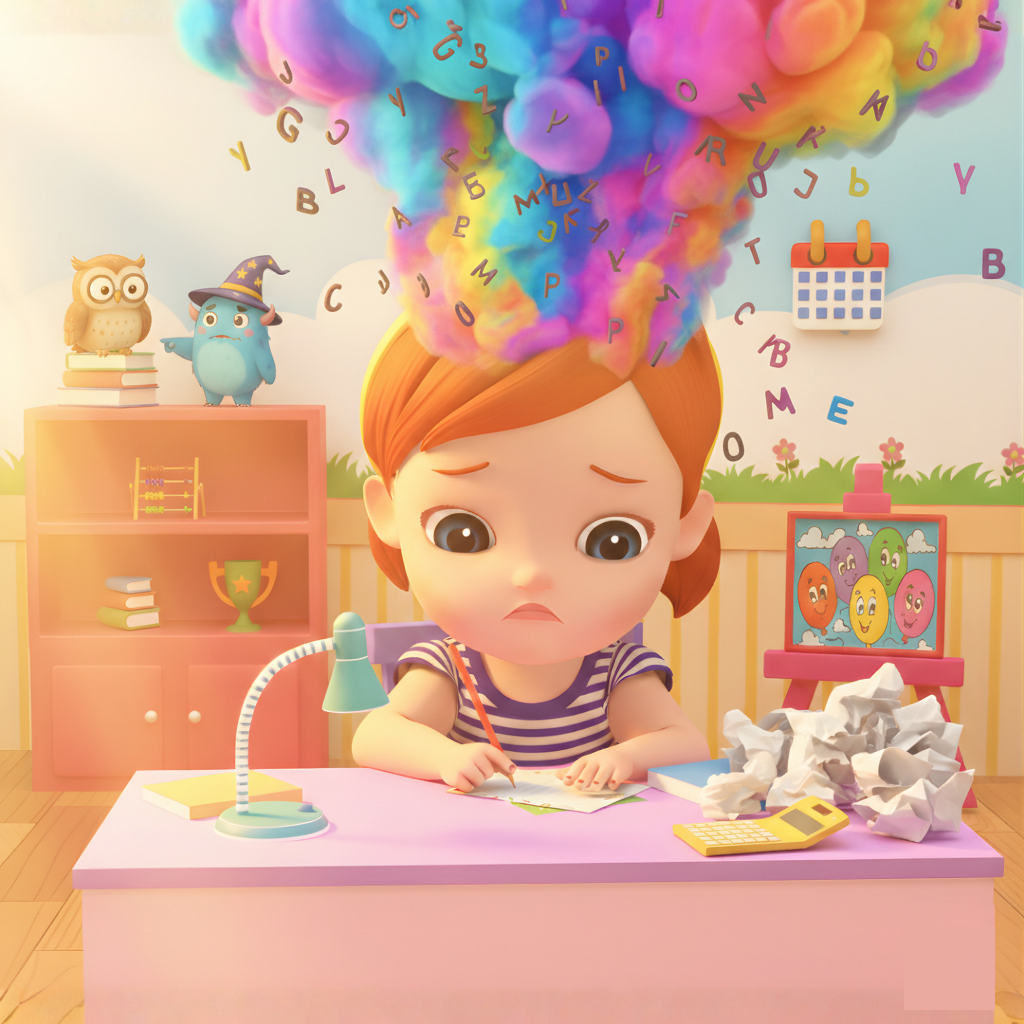
Common signs
- Slow or tiring writing
- Messy letter formation
- Avoidance of drawing
What our games observe
- Stroke control
- Pressure consistency
- Task endurance
Writing uses the brain and body
Motor planning
Precision
Endurance
Consistancy
Ease
Difficulty with attention regulation, impulse control, and task persistence
Attention regulation differences (ADHD – screening only)
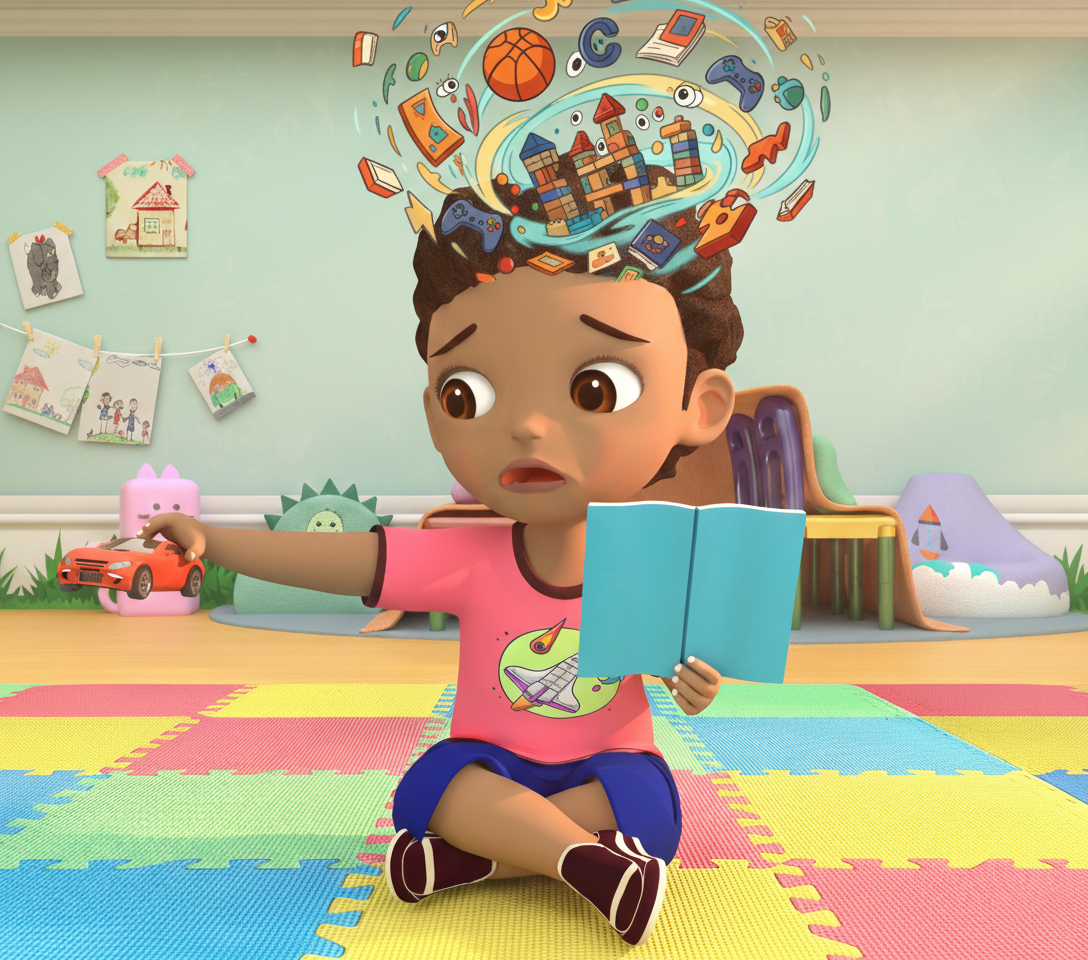
Common signs
- Acting quickly without waiting
- Difficulty staying focused on one activity
- Starting tasks but leaving them unfinished
What our games observe
- Impulsive actions during play
- Idle time versus overactivity
- Ability to return to a task after distraction
Strengths often seen
- High energy
- Fast idea generation
- Creativity and spontaneity
How attention patterns show up in play
Impulse control
Focus duration
Task return
Regulation
Let your child play. Let learning speak.
Early understanding creates better support, at home and at school.